Table of Contents
- Wyoming Home Selling
- Which Areas in Wyoming Offer the Best Return on Investment and Are Easiest for Residential Property Development?
- What Home Styles, Sizes, and Features Tend to Sell Fastest in the Wyoming Market?
- What Should Home Sellers Know About Zoning Laws, Permits, and Regulatory Requirements in Wyoming?
- Which Towns or Cities in Wyoming Are Easiest, and Hardest, When It Comes to Navigating Real Estate Regulations?
- What Are the Most Effective Flipping and Resale Strategies for Maximizing Profit in Wyoming's Housing Market?
- How Should Sellers Price Their Homes to Attract Buyers While Maximizing Value in Wyoming?
- Which Key Economic, Social, and Regulatory Factors Are Driving Current Trends in Wyoming's Local Property Markets?
Wyoming Home Selling
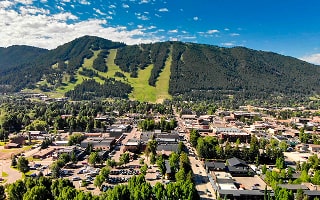
Wyoming's housing market is tight, characterized by limited supply and steady demand. Though the pace of home sales has slowed, prices remain near all-time highs. As of October 2025, Wyoming's median home price stood at $521,400, higher than the national median of around $440,000. While eastern neighbors like Nebraska ($308,000) and South Dakota ($321,100) offer significantly lower home prices, Wyoming real estate remains more accessible than pricier border states like Colorado ($625,100) and Utah ($578,500).
While Wyoming sees significant shifts in selling speed based on seasonal trends, home sales in the Equality State slowed, with the typical home spending 62 days on the market, about 10 days longer than the national median. This slowdown reflects a more relaxed pace in the region, which was also present in nearby markets, such as Montana, Utah, and Colorado.
According to U.S. Census Bureau data, Wyoming lagged behind all its border states in new housing authorizations, with a rate of 3.63 per 1,000 residents, below the national rate of around 4.35 per 1,000 residents and less than half Idaho's 8.81 per 1,000.
With an average effective property tax rate of 0.58%, Wyoming imposes lower property taxes than most other states. And while neighbors like Colorado (0.49%) and Utah (0.53%) have slightly more attractive tax rates, their higher median prices often result in higher out-of-pocket costs.
Foreclosures in Wyoming are moderate, with one for every 5,503 housing units (as of October 2025). This figure puts Wyoming in the middle of the pack nationally, with areas like Carbon, Campbell, and Sublette seeing the most foreclosure activity in the state.
Which Areas in Wyoming Offer the Best Return on Investment and Are Easiest for Residential Property Development?
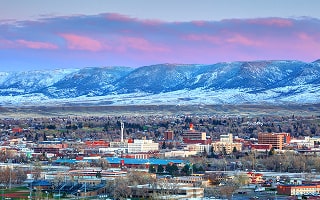
Different cities, towns, and metro areas in Wyoming offer unique opportunities for real estate investors, developers, and owners. Generally, buyers focus on local factors, including property types, affordability, zoning rules, tax rates, and amenities, to target areas that best match their needs. Across Wyoming, the following areas may offer real estate investors and developers the best potential returns:
-
Casper: Casper often appeals to real estate investors focused on appreciation, offering attractive growth potential. The local economy is supported by energy, healthcare, and education, with high rental demand keeping vacancy rates low. Over the past five years, property values increased about 35%, with a typical home value of around $302,000. Although Casper's housing market benefits from strong infrastructure and relatively low prices, investors should anticipate cyclical income swings due to its reliance on oil, and maintain sufficient reserves to manage downturns effectively.
-
Cheyenne: Wyoming's state capital blends urban and rural charm, appealing to real estate investors and end users alike. The city offers a stable economy anchored by government jobs and diverse housing options, making it attractive for both flippers and buy-and-hold investors. While select neighborhoods are significantly pricier, citywide median home prices stand at around $379,000.
-
Gillette: As a hub for coal, oil, and gas production, Gillette supports steady jobs and strong housing demand. Real estate is also relatively affordable in this city, with average home values of $327,500, making it attractive for buyers and investors. While solid infrastructure and affordable pricing support long-term potential, investors should plan for cyclical income patterns and maintain reserves to weather slower periods.
-
Sheridan: Sheridan offers small-town charm with scenic surroundings, attracting buyers and renters seeking a quieter lifestyle. Luxury neighborhoods in Sheridan see median sales prices well above many other parts of the state, though homes often spend more days on the market. Stable homeownership rates, rising property values, and a premium submarket with a historic downtown make the city appealing for both short- and long-term rental opportunities.
-
Jackson: With a strong economy driven by tourism, outdoor recreation, and hospitality, Jackson remains a top target for investors. Its downtown area and proximity to Grand Teton and Yellowstone National Parks attract residents and year-round visitors. The city has a projected occupancy rate of 61% with average home values of nearly $2 million. However, investors should be aware that stringent local development regulations (LDRs), extensive wildlife and floodplain overlay zones, and strict workforce-housing mitigation requirements significantly increase both project costs and approval timelines.
-
Laramie: Home to the University of Wyoming, Laramie offers high rental demand from students, faculty, and staff, making it attractive for cash-flow investors. Homes in Laramie sell for a median price around $360,000, often spending less than 30 days on the market. The town's stable economy, low foreclosure rate, and community appeal provide opportunities for steady returns.
-
Rock Springs: Rock Springs is known for its robust transportation and energy sectors, attracting investments and increasing real estate activity in the area. Despite an accessible median sale price of $307,450, homes in Rock Springs appreciated more than 10% year over year in October 2025.
-
Torrington: With a median home value of approximately $225,000, Torrington ranks among the state's most affordable and promising investment areas, making it attractive to price-conscious investors. The market has also experienced strong growth, with typical properties appreciating more than 50% within the last five years. However, investors should verify hazard insurance eligibility, since hail, high winds, and freezing temperatures are common risks that can affect both premiums and long-term maintenance costs.
-
Thermopolis: Thermopolis, famous for its mineral hot springs and tourism-focused economy, offers one of the most affordable markets in the state with home values of around $205,000. Demand for rental homes and recreational opportunities along the Bighorn River support both short- and long-term rental potential. However, due diligence is especially important here. Investors should verify well and septic system permits, capacity, and maintenance history, as many properties in these areas rely on private utilities.
-
Newcastle: Newcastle combines small-town charm, outdoor recreation, and affordable living, making it ideal for real estate investment. With median list prices around $250,000, Newcastle is one of Wyoming's most affordable cities, ideal for families, retirees, and young professionals.
What Home Styles, Sizes, and Features Tend to Sell Fastest in the Wyoming Market?
As of Q4 2025, homes in Wyoming typically sell at a slightly slower pace than the national median. However, homes that have certain characteristics tend to sell faster in Wyoming's property market, including:
-
![]()
Bedrooms: Homes with 3-4 bedrooms and 2 bathrooms hit the sweet spot for many buyers, including families, first-time buyers, and downsizers, who want comfortable, usable spaces. Move-in-ready properties with this layout sell the fastest, especially when located near good schools, jobs, and amenities. Cities like Cheyenne, Casper, Sheridan, and Laramie see high demand for 3- to 4-bedroom homes, with high demand in smaller towns such as Gillette, Rock Springs, Torrington, and Newcastle.
-
![]()
Size and Lot: In suburban and urban areas such as Cheyenne, Casper, Sheridan, and Gillette, homes with 1,500-2,500 square feet on 0.25- to 0.50-acre lots are popular. They offer enough yard space for kids and outdoor additions while keeping maintenance manageable. In resort or rural towns, including Jackson, Cody, Bighorn Basin, and Teton County, larger acreage sells quickly.
-
![]()
Style: Ranch-style and Craftsman homes attract a wide range of buyers in areas like Cheyenne, Casper, and Gillette. Modern farmhouses or contemporary homes are popular in growing suburban corridors and resort-adjacent areas, including Cody, Jackson, and other parts of Teton County. Updated Victorian homes or historic cottages sell fast in older neighborhoods in Sheridan, Cody, and Laramie. Condos and townhouses sell quickly in areas with limited inventory or near universities and downtown areas, including Laramie, Cheyenne, and Casper.
-
![]()
Modern Upgrades: Open-concept kitchens with durable counters and stainless steel appliances as well as updated baths with tiled showers appeal to buyers in Cheyenne, Casper, and Sheridan. High-efficiency furnaces/heat pumps, upgraded insulation, triple- or quality double-pane windows, insulated garage doors, and ice-dam mitigation score big among buyers statewide. Energy-efficient features such as upgraded windows, insulation, and HVAC systems are especially valuable in colder areas, including Laramie, Buffalo, and Gillette. In mountain and resort towns like Cody and Jackson, heated garages, storage-friendly mudrooms, and snow-management features boost winter comfort, helping homes sell quickly.


What Should Home Sellers Know About Zoning Laws, Permits, and Regulatory Requirements in Wyoming?
To maximize ROI in Wyoming, sellers and developers should be aware of zoning laws and permits, since these rules directly affect property use and value. Any home or development that doesn't comply with local government standards faces delays, fines, or restrictions. Because Wyoming is one of just a few caveat emptor (literally, "let the buyer beware") states, some buyers will request a zoning compliance verification or zoning verification letter from the city or county to confirm that the property meets local zoning regulations, is free from open violations, and can be used in the way they intend.
In Wyoming, cities and counties have different zoning rules, with some areas imposing stricter laws than others. In some jurisdictions, a special permit or public hearing is required, while others mandate a certificate of occupancy following new construction or major renovations. Below is a breakdown of zoning laws across several jurisdictions in the state:
Strict Zoning Laws
Some cities and counties in Wyoming have strict zoning laws that tightly regulate how land and buildings may be used. These rules are designed to protect neighborhoods by managing growth and preserving community character. In Wyoming, these jurisdictions include:
- City of Cheyenne: The city enforces detailed zoning via its Unified Development Code, which establishes residential districts, permitted and conditional uses, dimensional standards, height limitations, and setback rules.
- Town of Jackson: Jackson's tiered Natural Resource Overlay (NRO) protects wildlife habitat and floodplain areas, while its Lodging Overlay limits short-term rentals to specific areas. The town also enforces strict design and environmental standards to preserve its scenic character.
- City of Rock Springs: The city enforces a comprehensive zoning classification with multiple industrial and residential districts, each including precise lot coverage rules, setback minimums, and architectural or performance standards.
Less Bureaucratic Zoning Laws
Some Wyoming cities and counties have less bureaucratic zoning, with simpler processes and less red tape. They typically have fewer restrictions and faster approval processes, making it easier to develop property, change its use, or add new structures. Jurisdictions with less bureaucratic zoning laws in Wyoming include:
- Campbell County: There are no zoning regulations in most of rural, unincorporated Campbell County. Instead, most subdivisions are zoned based on how land in those areas can be used.
- City of Gillette: Building and renovation processes are easier with the Building Division's online permit portal (EnerGov). The system allows users to submit plans, apply for permits, and schedule inspections in one place, streamlining the process.
- Laramie County: Laramie emphasizes a quick and trouble-free permitting experience for routine projects. In August 2025, the County also approved a law that allows home-based businesses by right in all unincorporated areas.
Special Permit Required Via a Public Hearing
In some areas, certain development types and land uses require a special permit. Across most municipalities in Wyoming, special use permits and conditional use permits typically require a public hearing where the local community and officials review the proposal. Final approvals are usually granted by the city council or county commissioners, provided the project fits the character of the neighborhood and doesn't negatively affect the area or put additional strain on existing infrastructure.
- Teton County: In Teton County, the Planning Commission and Board of County Commissioners hold public hearings for conditional uses, variances, and land use rule changes.
- City of Casper: In Casper, the Planning and Zoning Commission decides on conditional uses and variances after holding public hearings.
- Rock Springs: In Rock Springs, any zoning changes require a public notice and two hearings: one before the Planning & Zoning Commission and another in front of the City Council. The rules for these notices are written in the City Zoning Ordinance.
Certificate of Occupancy Required
A Certificate of Occupancy (CO) is often required before anyone can legally move into a newly built or substantially renovated property in most Wyoming cities and counties, including Cheyenne, Cody, Laramie, and Teton County. It confirms the building meets local safety, structural, and code standards. Some rural areas without local inspection offices may not require a CO, but lenders typically insist on a CO for new construction before closing to ensure the property is code-compliant and safe for occupancy.
Historic Commission Approval Required
A historic preservation commission is a city board that reviews building projects in certain areas with historic significance. Historic commissions ensure that buildings in old or historic areas maintain their original look. Any street-visible exterior work, including alterations, renovations, or new construction in mapped historic districts, must first obtain approval from the commission. This helps protect the city's history, preserve architecture, and maintain neighborhood charm. In Wyoming, these jurisdictions include:
- Town of Jackson: All major changes to the exterior of buildings listed on the voluntary local historic register require a Certificate of Appropriateness. This process helps preserve historic character.
- City of Cheyenne: The Historic Preservation Board oversees several historic districts. Any exterior work on buildings in these districts must follow the board's rules to ensure renovations keep the historic character, style, and appearance.
- Sheridan (Main Street Historic District): In Sheridan, the Main Street Historic District is protected under the Downtown Business Overlay District. All changes to building exteriors must follow certain processes designed to preserve the area's historic character.
Which Towns or Cities in Wyoming Are Easiest, and Hardest, When It Comes to Navigating Real Estate Regulations?

Home sellers and developers in Wyoming must comply with local real estate rules to avoid legal complications and protect their investment. Compliance with zoning laws, locally adopted building codes, permitting requirements, and historic or environmental regulations ensures that properties remain safe and attractive to buyers. Ignoring these rules may result in fines, delays, or reduced property values.
Across Wyoming cities, towns, and counties, certain jurisdictions have more development-friendly laws, others impose complex regulations, and some strike a healthy balance between flexibility and oversight:
Development-Friendly Areas
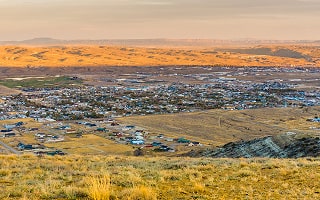
Development-friendly areas across Wyoming actively support growth and new projects. They make the process easier by offering streamlined permitting and zoning flexibility, giving developers more land use options. In Wyoming, some of these jurisdictions include:
- City of Gillette: The Building Division uses an online permit portal and self-service system (EnerGov Citizen Self Service), allowing developers to easily submit applications and schedule inspections.
- City of Rock Springs: The Building Inspection and Permits Office has clear permit steps and organized plan reviews, making it easier for builders. This allows for quick approvals of smaller projects.
- City of Laramie: The city's Building Permits and Inspections office provides an active online permits portal through Civic Access and an updated Unified Development Code. These tools make it easy to apply, track, and complete building applications.
- City of Cheyenne: The city has a Unified Development Code and a planning office that shares clear zoning and permit guidance. With an online submission portal (OpenGov), the Building Safety Department generally processes complete building permit applications promptly.
- City of Douglas: The city has a clear land-use framework, offering pre-application meetings and providing structured online applications and permit pathways via the CityWorks public portal.
Moderately Regulated Areas
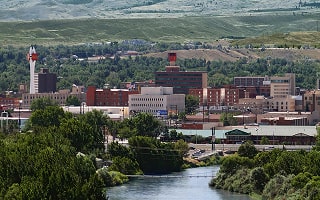
Moderately regulated areas in Wyoming have rules that are clear, but not overly burdensome. These cities and towns set standards for safety, land use, and appearance, but the process tends to be more manageable than in heavily regulated cities. Property owners may still need permits, plan reviews, or public hearings for certain projects, but development plans generally move smoothly. In Wyoming, these jurisdictions include:
- City of Casper: The Casper Planning and Zoning Commission makes decisions regarding conditional use permits. Rezonings require pre-application meetings and public hearings to reinforce a transparent and regulated land-use system.
- Natrona County: The county's Planning Department provides updated zoning regulations and a structured path for development. Public notices and hearings are required for variances.
- City of Rock Springs: The city operates a structured zoning framework, with multiple residential and commercial districts. The Board of Adjustment is responsible for handling variances and requires public meetings, while the Planning & Zoning Commission oversees zoning and conditional use permits.
- City of Rawlins: The city employs a structured zoning pattern, with overlays and a formal process for handling nonconforming land-use requests. However, requests are typically addressed in a single public hearing by the Board of Adjustments.
- City of Lander: The city has a structured process for plat and conditional use reviews by the Board of Adjustment and Planning Commission.
Highly Restrictive or Bureaucratic Areas
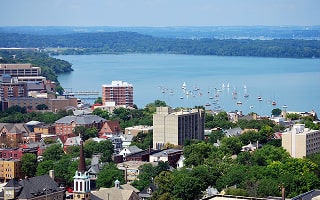
Highly restrictive or bureaucratic areas in Wyoming have strict rules and regulations that make new development challenging. Communities may strongly resist changes, and projects often require multiple approvals, detailed plan reviews, and public hearings. These areas have complex zoning, historic preservation rules, or environmental requirements, which may slow progress and increase costs.
- City of Cody: The city enforces a downtown overlay district to preserve its historic character, especially along the Main Street corridor. The district imposes design standards and requires a certificate of appropriateness for all exterior alterations.
- South Pass City: As a State Historic Site listed on the National Register of Historic Places, the area is subject to state and federal preservation guidelines for any exterior alterations.
-
Teton County: The county enforces stringent development standards in its rural and resort corridors through its Land Development Regulations. These areas are subject to comprehensive overlays and require community review processes.
The Town of Jackson is also subject to floodplain regulations that aim to minimize the risk of flood damage. Development within these zones is closely regulated, requiring compliance with natural resource protections to ensure environmental protection.
- City of Douglas: The Historic Preservation Commission sustains the unique characteristics of the mapped districts within the city. All exterior alterations to buildings located in designated areas require approval from the commission.
Regulatory Climate Factors
Wyoming's regulatory climate varies by location. Some areas are development friendly, with flexible zoning, while others are stricter, with complex regulations and public hearings. This variation affects the ease or difficulty of developing, renovating, or flipping a property. Below are some key factors affecting development, their impact, and where they may be found across Wyoming:
| Factor | Impact on Development | Where It's Found |
|---|---|---|
Zoning Flexibility |
Determines ease of land use |
Gillette, Rock Springs, Laramie, Cheyenne, Mills, Newcastle, Douglas, and Green River |
Historic Preservation Laws |
Adds restrictions |
Cheyenne, Jackson Town Square, Laramie, South Pass City, Downtown Sheridan, and Downtown Cody |
Wetlands/Conservation |
Limits buildable land |
Teton County, Park County near national parks, floodplain areas in Natrona County, Green River, Star Valley floodplains, Laramie Plains, and Dubois riparian corridors |
Affordability Mandates and Incentives |
Requires (or incentivizes) affordable units |
Mandatory mitigation in Jackson and Teton. Incentive partnerships in Cheyenne, Sheridan pilot incentives, Casper Habitat partnerships, and Laramie |
Building Code Enforcement |
Affects cost/speed |
Cheyenne, Laramie, Casper, Rock Springs, Gillette, and Jackson |
Local Politics/NIMBYism* |
Blocks or delays projects |
Cody, Jackson, Cheyenne, parts of Park County, and select Sheridan neighborhoods |
*NIMBYism - Not in My Backyard
What Are the Most Effective Flipping and Resale Strategies for Maximizing Profit in Wyoming's Housing Market?

Although Wyoming's property market is one of the smallest in the nation, smart flipping strategies can still yield potentially attractive returns. The following flipping and resale strategies may help investors, developers, and sellers speed sales and maximize ROI across Wyoming's local real estate markets:
-
![]()
Target Distressed or Foreclosed Homes: This strategy involves targeting discounted properties, such as pre-foreclosures, bank-owned properties (REOs), and homes sold at auction. Targeting distressed or foreclosed homes is ideal in towns like Gillette, Rock Springs, Casper, and Sheridan, and counties such as Campbell, Sweetwater, and Natrona.
-
![]()
Use the 70% Rule: The 70% rule helps investors avoid overpaying by setting the maximum offer price at 70% of the after-repair value, minus repair costs. This formula ensures flippers maintain a healthy profit margin even if renovation expenses or holding times exceed initial estimates. The 70% rule is ideal in markets like Casper, Cheyenne, Gillette, Sheridan, and Natrona or Laramie counties.
-
![]()
Wholetailing for Speed: Wholetailing focuses on light cosmetic work, such as cleaning, adding fresh paint, and updating fixtures, before relisting for a quick sale. This works in Wyoming's suburban and commuter towns like Cheyenne, Casper, Laramie, Douglas, and Sheridan, where buyer demand is steady and inventory moves fast.
-
![]()
Build Strong Deal Pipelines with Lead Gen: Building strong deal pipelines is crucial in Wyoming, where markets are smaller and off-market opportunities may be scarce. To succeed, investors can source deals via direct mail, MLS alerts, auctions, and connections with property managers, brokers, and attorneys. Building a lead gen pipeline is highly effective in most cities and counties across Wyoming, including Casper, Laramie, Rock Springs, Sheridan, and Cheyenne.
-
![]()
Focus on Quality Renovations, Don't Cut Corners: Many Wyoming buyers value durable and energy-efficient upgrades. Features such as high-efficiency windows, tankless water heaters, and open-concept kitchens attract strong offers, but only when the work is done professionally and the materials are high quality. This flipping strategy is ideal in higher-end markets, such as Jackson Hole, Sheridan, Casper, and Laramie, where modern, efficient homes stand out and sell quickly.
-
![]()
Use the BRRRR Method (Buy, Rehab, Rent, Refinance, Repeat): The BRRRR strategy is ideal for building a long-term rental portfolio. With this strategy, investors purchase a property, fix it, rent it out, refinance to pull out cash, then repeat the process to scale. It's ideal in areas with strong rental demand, including university towns like Laramie, energy hubs like Gillette and Casper, and healthcare centers like Sheridan and Cheyenne.
-
![]()
Go Beyond Cosmetic Work (Value-Add Flipping): Value-add conversions boost property income potential and resale values by turning single-family homes into duplexes, building ADUs, or adding extra bedrooms and baths where zoning allows. This strategy is ideal in cities like Laramie and Cheyenne, as well as parts of Sweetwater, Natrona, and Campbell counties.


How Should Sellers Price Their Homes to Attract Buyers While Maximizing Value in Wyoming?

When selling a home in Wyoming, it's a good idea to work with a local real estate agent or certified appraiser who understands the market. These professionals review active listings, pending sales, and recently sold comparables from the last 90 days to offer a clear picture of current demand and pricing trends. Using this data, sellers can apply one or more of the following pricing strategies to streamline sales and maximize profits in Wyoming:
-
![]() Pricing Just Below Below Market Thresholds: Pricing below market thresholds consists of listing your home just under round numbers, such as $299,900 instead of $300,000, so it appears in more online searches. This strategy helps attract buyers' attention and increase showings. It's ideal in Cheyenne, Casper, Gillette, and Sheridan, where buyers begin their property searches online using specific price filters.
Pricing Just Below Below Market Thresholds: Pricing below market thresholds consists of listing your home just under round numbers, such as $299,900 instead of $300,000, so it appears in more online searches. This strategy helps attract buyers' attention and increase showings. It's ideal in Cheyenne, Casper, Gillette, and Sheridan, where buyers begin their property searches online using specific price filters.
-
![]() Charm Pricing (Psychological Pricing): Charm pricing works by ending the list price with an odd number like 7 or 9, for example, $249,777 in a $250,000 market, to give the impression of a better deal. The marginal price difference may attract more buyer attention and increase showings without meaningfully affecting the seller's net profits. Charm pricing is ideal in mid-tier Wyoming markets such as Casper, Sheridan, and Laramie.
Charm Pricing (Psychological Pricing): Charm pricing works by ending the list price with an odd number like 7 or 9, for example, $249,777 in a $250,000 market, to give the impression of a better deal. The marginal price difference may attract more buyer attention and increase showings without meaningfully affecting the seller's net profits. Charm pricing is ideal in mid-tier Wyoming markets such as Casper, Sheridan, and Laramie.
-
![]() Pricing to Create a Bidding War: This strategy involves listing a property slightly below its expected market value to spark multiple offers and potentially drive up the final sale price. It works well in Jackson, Wilson, and Teton Village, as well as low-inventory pockets of Cheyenne and Sheridan with top-rated schools. By generating quick competition, sellers can attract more attention and urgency from buyers, leading to faster sales.
Pricing to Create a Bidding War: This strategy involves listing a property slightly below its expected market value to spark multiple offers and potentially drive up the final sale price. It works well in Jackson, Wilson, and Teton Village, as well as low-inventory pockets of Cheyenne and Sheridan with top-rated schools. By generating quick competition, sellers can attract more attention and urgency from buyers, leading to faster sales.
-
![]() High-Anchor Pricing (Test the Waters): High-anchor pricing allows sellers to test the market by listing at the top of comparable ranges to see if buyers will pay a premium. This strategy may attract serious buyers, establish perceived value, and help sellers maximize returns while maintaining flexibility for negotiations or price changes. High-anchor pricing is ideal in Teton County, Sheridan, Cheyenne, and parts of Laramie and Natrona counties.
High-Anchor Pricing (Test the Waters): High-anchor pricing allows sellers to test the market by listing at the top of comparable ranges to see if buyers will pay a premium. This strategy may attract serious buyers, establish perceived value, and help sellers maximize returns while maintaining flexibility for negotiations or price changes. High-anchor pricing is ideal in Teton County, Sheridan, Cheyenne, and parts of Laramie and Natrona counties.
-
![]() Price-Per-Square-Foot Benchmarking: This strategy helps sellers set competitive prices in uniform neighborhoods or condo communities by aligning home prices to local prices per square foot. Matching your home price to local benchmarks makes listing more appealing, builds buyer trust, and helps attract offers and sell properties faster. Price-per-square-foot benchmarking is ideal in subdivisions in Rock Springs, Rawlins, Casper, and Gillette, where homes are similar and buyers can easily compare pricing.
Price-Per-Square-Foot Benchmarking: This strategy helps sellers set competitive prices in uniform neighborhoods or condo communities by aligning home prices to local prices per square foot. Matching your home price to local benchmarks makes listing more appealing, builds buyer trust, and helps attract offers and sell properties faster. Price-per-square-foot benchmarking is ideal in subdivisions in Rock Springs, Rawlins, Casper, and Gillette, where homes are similar and buyers can easily compare pricing.
-
![]() Appraisal-Backed Pricing: This approach uses a pre-listing appraisal to price your home. It can help avoid financing issues, which may arise if the lender's appraisal comes in below the purchase price. It's especially useful where FHA and VA buyers are prevalent, such as Gillette, Rock Springs, Powell, Cheyenne, and parts of Casper and Sheridan. Pricing a property with appraisal support helps reassure buyers and prevent shortfalls that may derail deals.
Appraisal-Backed Pricing: This approach uses a pre-listing appraisal to price your home. It can help avoid financing issues, which may arise if the lender's appraisal comes in below the purchase price. It's especially useful where FHA and VA buyers are prevalent, such as Gillette, Rock Springs, Powell, Cheyenne, and parts of Casper and Sheridan. Pricing a property with appraisal support helps reassure buyers and prevent shortfalls that may derail deals.
-
![]() Net-to-Seller Pricing: Net-to-seller pricing sets a realistic list price using the seller's minimum desired net proceeds and working backward by adding commissions, closing costs, mortgage payoffs, and concessions. In Wyoming, it's common in Sheridan, Riverton, Casper, and Cheyenne, especially with estate sales, relocations, or in tight financial situations. In some cases, lenders or buyers may request escrow holdbacks for pending repairs or certifications, such as roof condition or snow-load compliance. Accounting for these costs up front helps avoid surprises at closing and ensures accurate net estimates.
Net-to-Seller Pricing: Net-to-seller pricing sets a realistic list price using the seller's minimum desired net proceeds and working backward by adding commissions, closing costs, mortgage payoffs, and concessions. In Wyoming, it's common in Sheridan, Riverton, Casper, and Cheyenne, especially with estate sales, relocations, or in tight financial situations. In some cases, lenders or buyers may request escrow holdbacks for pending repairs or certifications, such as roof condition or snow-load compliance. Accounting for these costs up front helps avoid surprises at closing and ensures accurate net estimates.
-
![]() Urgency Pricing (Motivated Seller Strategy): Urgency pricing is used when sellers need to move a property quickly, such as in estate sales, divorces, or pre-foreclosures. Homes are often listed up to 8% lower than comparable properties to spark quick offers and reduce carrying costs. Urgency pricing is ideal in Rawlins, Sheridan, Casper, Rock Springs, and Riverton, where selling speed may be the top priority.
Urgency Pricing (Motivated Seller Strategy): Urgency pricing is used when sellers need to move a property quickly, such as in estate sales, divorces, or pre-foreclosures. Homes are often listed up to 8% lower than comparable properties to spark quick offers and reduce carrying costs. Urgency pricing is ideal in Rawlins, Sheridan, Casper, Rock Springs, and Riverton, where selling speed may be the top priority.


To get the best results, home sellers should match their pricing strategy to current market conditions. The table below serves as a guide to help you choose the best pricing tactic to suit local conditions in your market.
| Market Condition | Best Strategy |
|---|---|
Seller's Market |
Underpricing for a bidding war |
Buyer's Market |
Charm pricing or net-to-seller |
Unique, luxury home |
High-anchor + value justification |
Entry-level home |
Just below threshold |
Urgent sale needed |
Aggressive urgency pricing |
Flipper or investor listing |
Appraisal-backed or price-per-square-foot |
Which Key Economic, Social, and Regulatory Factors Are Driving Current Trends in Wyoming's Local Property Markets?

Across Wyoming property markets, the following factors influence supply, demand, and prices:
![]() Economic Factors
Economic Factors
 Economic Factors
Wyoming's housing market benefits from a stable job market and modest wage growth, supported by its expanding energy, agriculture, healthcare, and tourism sectors, as well as its rising share of professional services. Recent data shows the state has an unemployment rate of around 3.3%, considerably lower than the U.S. average of 4.4% (as of September 2025).
Home sellers retained the advantage in 2025, with median sale prices rising to $521,400 (+2% year over year). Construction activity is steady but modest, with permitting rates lower than the national rate and lagging behind all border states. Delays, rising material costs, and labor shortages continue to keep supply tight, driving continued price competition.
![]() Demographic and Social Factors
Demographic and Social Factors
 Demographic and Social Factors
Inbound migration, fueled by remote-work flexibility and Wyoming's open spaces, has increased demand for homeownership from Cheyenne to Jackson. Families and retirees are drawn by lifestyle amenities and tax-free income opportunities. Recent estimates show that the state enjoyed population growth of about 0.4%, adding moderate demand for housing across most counties.
Wyoming's median age of 39.3 means that the housing market serves both younger buyers starting families and older buyers planning for retirement. In cities such as Cheyenne, Casper, and Gillette, many younger households look for affordable starter homes or larger family spaces. In places like Sheridan and Jackson Hole, older buyers and retirees often seek low-maintenance homes, condos, or luxury vacation properties. This balance of age groups creates a stable housing market with demand across different price ranges and property types.
![]() Regulatory and Legal Framework
Regulatory and Legal Framework
 Regulatory and Legal Framework
Local zoning and land use laws vary widely across Wyoming. Areas such as Teton County, and parts of Park County are tightly regulated, with strict land use rules and limited new development. By contrast, many energy towns, such as Gillette, Rock Springs, and Casper, offer more flexible permitting and faster approvals.
There's no statewide rent control in Wyoming; landlords set rents based on market demand. Instead, the main regulatory hurdle comes from local zoning codes, permitting timelines, and historic district requirements.
![]() Taxation and Fiscal Policy
Taxation and Fiscal Policy
 Taxation and Fiscal Policy
Wyoming has no individual or corporate income tax, making it attractive for investors and high-net-worth individuals relocating to the state. Recently, Governor Gordon signed SF0069 into law, cutting residential property taxes by 25% on the first $1 million of a home's value and helping make homeownership more affordable across the state.
![]() Housing Policy and Government Programs
Housing Policy and Government Programs
 Housing Policy and Government Programs
Wyoming supports housing development beyond tax relief. The Wyoming Community Development Authority offers a flexible housing development fund to address low- to moderate-income gaps. Federal Low-Income Housing Tax Credits and USDA rural loan guarantees aid affordable housing in smaller towns. Meanwhile, the statewide Down Payment Assistance program, effective in places such as Laramie, Sweetwater, Natrona, Sheridan, and Campbell counties, helps first-time buyers meet equity requirements, making homeownership more affordable across the state.
![]() Infrastructure and Development Trends
Infrastructure and Development Trends
 Infrastructure and Development Trends
Ongoing construction projects on the I-80 and I-25 corridors are improving commute times and supporting suburban growth in cities like Cheyenne, Laramie, Casper, and Rawlins. However, the state has a 22% broadband affordability gap, limiting remote worker relocations and slowing rural development. Seasonal highway closures on I-80 and mountain passes also limit access, necessitating sustained public investment in roads and regional airports. These upgrades make borderlands more accessible, supporting new housing projects and encouraging growth in surrounding suburbs and smaller communities.
![]() Market Sentiment and Investor Behavior
Market Sentiment and Investor Behavior
 Market Sentiment and Investor Behavior
Investors in Wyoming often favor the BRRRR strategy, especially in university towns like Laramie and regional employment centers such as Casper, Cheyenne, and Sheridan. Flips and wholetail deals are more common in energy hubs like Gillette and Rock Springs, where homes are affordable and a cyclical workforce generates high demand. Luxury markets like Jackson continue to see price growth and high demand from vacation-home buyers.
Wyoming's housing market is shaped by economic, social, and regulatory factors that create opportunities and challenges for buyers, sellers, and investors. High demand for properties is typically driven by local jobs, urban migration, and quality school districts, supporting construction and renovation. Buyers generally prefer mid-sized, family-friendly homes with modern upgrades, while investors use strategies such as value-add renovations, wholetailing, and charm pricing to maximize returns.
Regulatory environments vary throughout the state. While some counties offer flexible zoning and permitting, others enforce strict historic preservation, environmental rules, or local oversight, impacting development costs and timelines. Sellers and developers who understand local markets, use effective pricing, and comply with zoning rules tend to succeed in Wyoming's property market. Overall, Wyoming's housing market offers good investment opportunities for investors and developers, with solid underlying fundamentals and relatively affordable entry points compared to many western neighbors.
Table of Contents
- Wyoming Home Selling
- Which Areas in Wyoming Offer the Best Return on Investment and Are Easiest for Residential Property Development?
- What Home Styles, Sizes, and Features Tend to Sell Fastest in the Wyoming Market?
- What Should Home Sellers Know About Zoning Laws, Permits, and Regulatory Requirements in Wyoming?
- Which Towns or Cities in Wyoming Are Easiest, and Hardest, When It Comes to Navigating Real Estate Regulations?
- What Are the Most Effective Flipping and Resale Strategies for Maximizing Profit in Wyoming's Housing Market?
- How Should Sellers Price Their Homes to Attract Buyers While Maximizing Value in Wyoming?
- Which Key Economic, Social, and Regulatory Factors Are Driving Current Trends in Wyoming's Local Property Markets?